Avoid seven common houseplant watering mistakes with plant-specific soil checks, good drainage, and a simple routine that adjusts to your home and the seasons.
Informational Purposes Only
The content published on this blog — including plant care advice, disease identification, treatment recommendations, and lighting or fertilizer guidance — is intended for general informational and educational purposes only. It is not a substitute for advice from a qualified horticulturist, botanist, or plant care professional.
Some articles may incorporate AI-assisted analysis. While every effort is made to ensure accuracy, Botanical Wiz makes no warranties regarding the completeness or suitability of any information for your specific plant or environment. Always use your own judgment, and consult a plant specialist when in doubt. Botanical Wiz is not liable for any loss or damage arising from reliance on content found on this site. See our full Terms of Use and Privacy Policy.
Prepared with assistance from Penny, an AI writing assistant, and edited for Botanical Wiz. This article offers general plant-care information, not a guaranteed identification or diagnosis.
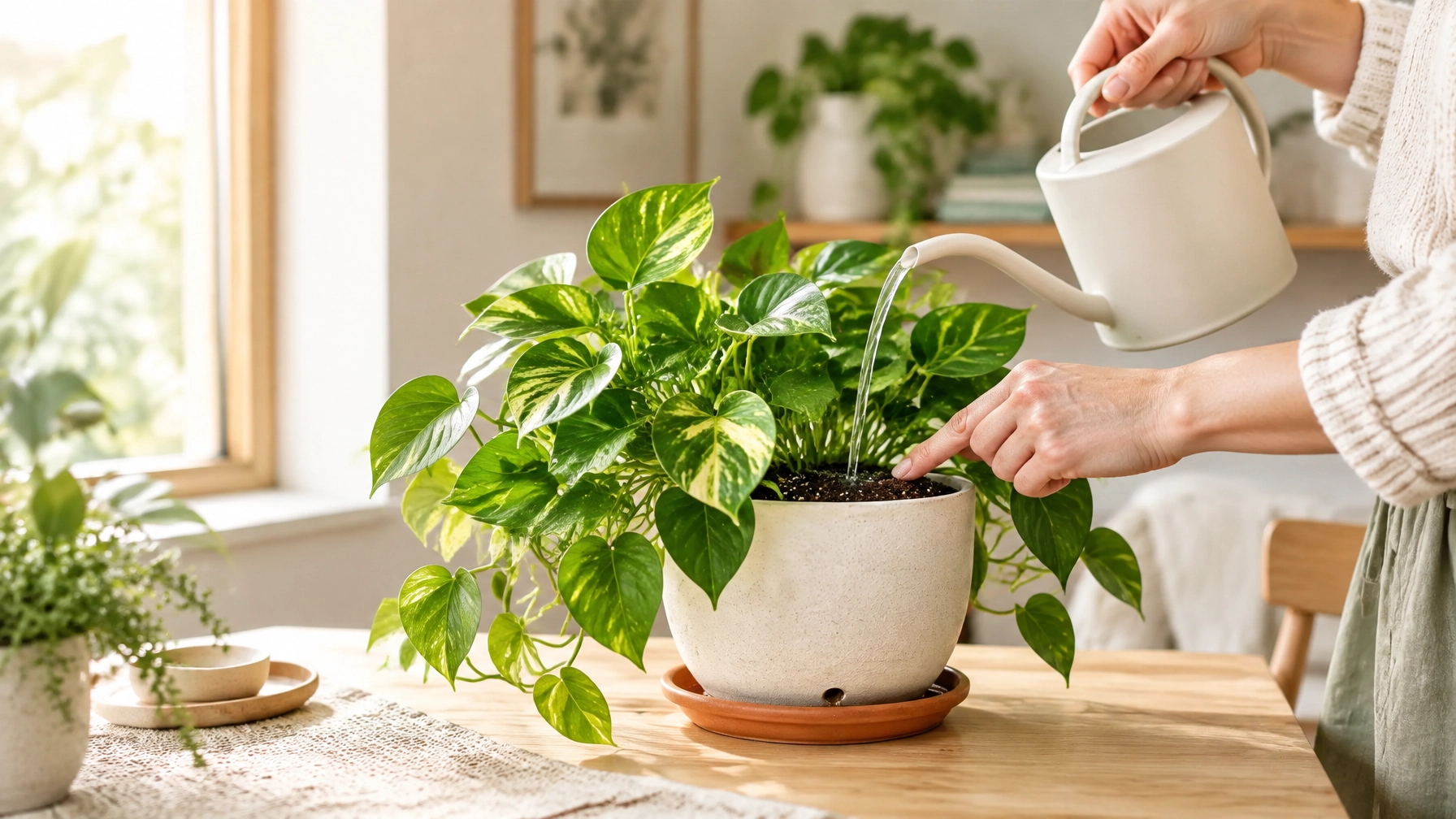
Watering seems simple: pour, wait, repeat. But the right routine depends on your plant, pot, soil, light, and the time of year. That’s why “water every Sunday” can leave one plant thirsty and another sitting in soggy soil.
If you’ve wondered how often to water plants, the most useful answer is: check what your plant and soil need before you reach for the watering can. Avoid these seven common mistakes, and you’ll have a much better starting point.
1. Overwatering
Too much water is one of the most common causes of trouble for houseplants. When soil stays wet for too long, roots can struggle to get the air they need. Damaged roots then have a harder time taking up water and nutrients.
How to fix it: Check the soil before watering, and make sure the pot can drain. If the soil is still damp at the depth your plant prefers, wait and check again later. Don’t add water just because the leaves look droopy: a plant with waterlogged soil can wilt, too.
If a plant seems unwell and you’re unsure what’s happening, try Botanical Wiz’s plant identification and disease detection tool. A clear photo can help you explore possible issues and care steps. It’s a starting point, not a substitute for checking the roots and soil yourself.
2. Watering on a fixed schedule
A weekly reminder can help you remember to check your plants. It shouldn’t decide whether they get watered. A small plant in a bright, warm room may dry out faster than a large plant in a cool corner, even if both sit in similar pots.
For a reliable routine, check each plant regularly, then water only when its soil is ready. The University of Minnesota Extension’s houseplant watering guide also recommends paying attention to plant needs and growing conditions, rather than relying on a single schedule.
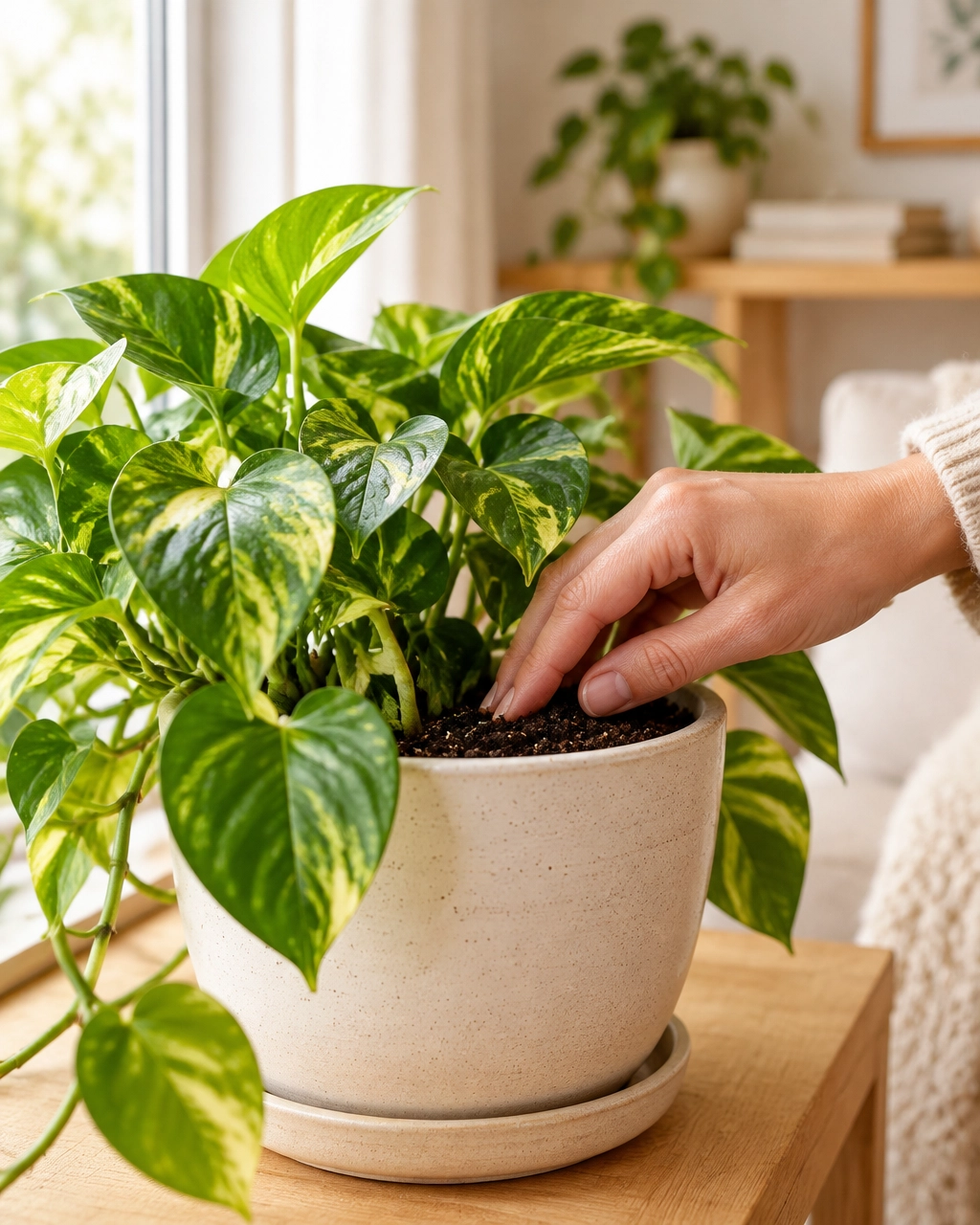
How to fix it: Press a finger into the soil to check below the surface. For many common foliage plants, let the top inch or two dry before watering; plants that prefer evenly moist soil may need water sooner, while many succulents prefer their potting mix to dry more deeply. Check your plant’s care needs, then use the same check each time.
3. Using a pot without drainage
A pot without a drainage hole can trap extra water around the roots. Even careful watering becomes harder because excess water has nowhere to go. A layer of stones in the bottom doesn’t solve the problem; it takes up root space without giving water a route out.
How to fix it: Choose a pot with a drainage hole, or keep your plant in a draining nursery pot placed inside a decorative cover pot. Take the nursery pot out to water, let it drain, then return it to the cover pot.
If your favorite decorative pot has no hole, use it as an outer pot rather than planting directly into it. It’s an easy way to keep the look without sacrificing drainage.
4. Letting plants sit in standing water
Drainage holes help only if the drained water can go somewhere. If a pot sits in a full saucer or a puddle inside a cover pot, the soil can draw that water back up.
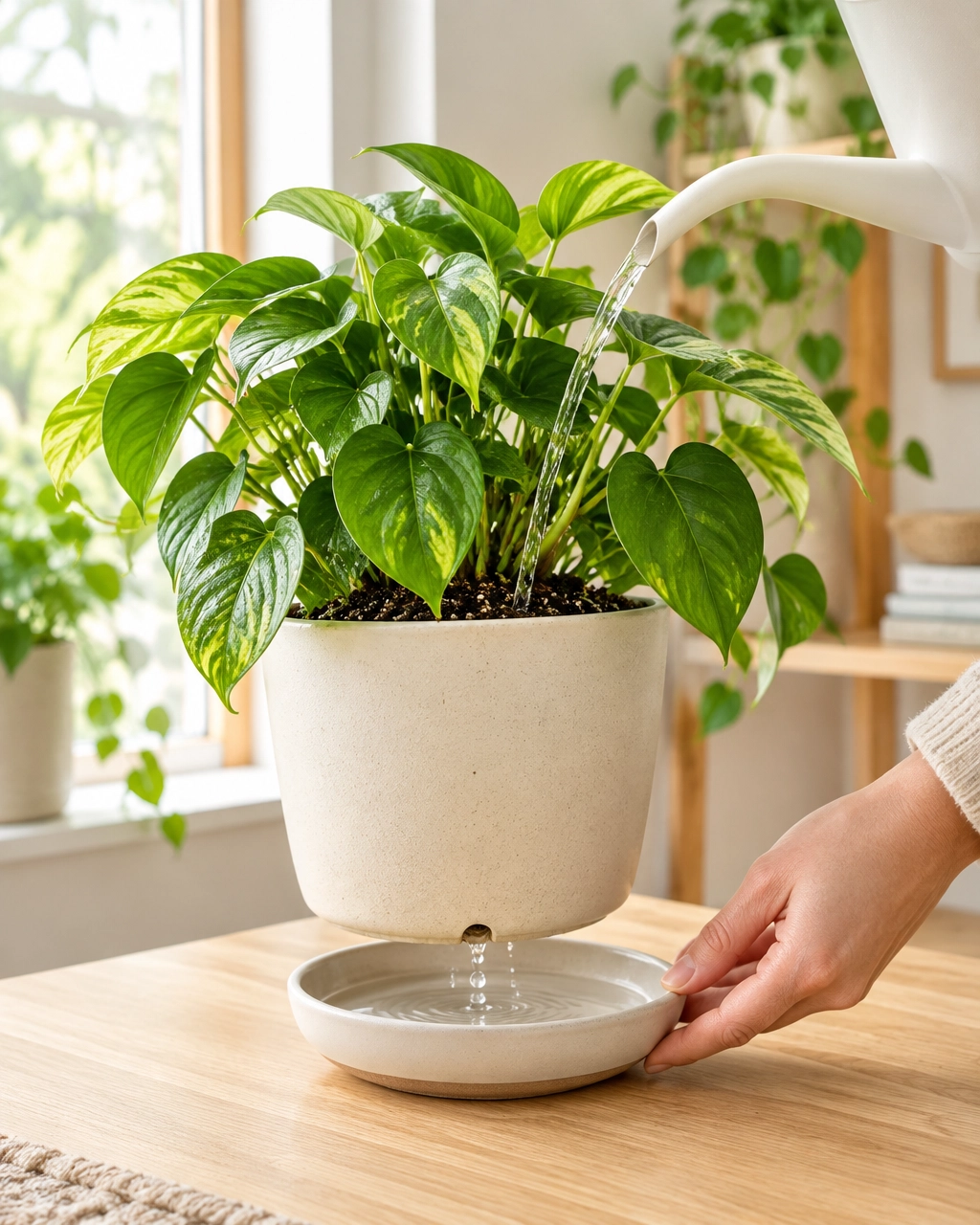
How to fix it: Water until some excess drains out, then empty the saucer or cover pot. Check again after a few minutes, especially after a thorough watering. Don’t leave the pot sitting in water while you get on with your day: your roots need air as well as moisture.
5. Watering too shallowly
A quick splash on the surface may not reach the root ball. If you repeat that habit, the upper soil can stay damp while deeper roots remain dry.
How to fix it: When your plant is ready for water, pour slowly over the soil surface and aim to moisten the root ball evenly. Continue slowly until the root ball is evenly moistened and excess water drains from the bottom, then let the pot drain fully. If water runs straight down the sides and out, pause briefly and water again more slowly.
Different plants have different moisture preferences. For example, many succulents need their mix to dry between waterings, while some tropical foliage plants prefer more consistent moisture. A helpful rule is to water thoroughly when it’s time, then let the soil dry to the right level for that particular plant.
6. Using very cold water or overlooking water quality
Very cold water can be an unpleasant shock for some houseplants, especially in winter. Water quality can matter, too. Over time, minerals in tap water may leave a pale crust on the soil or pot, and sensitive plants may react to certain water conditions.
How to fix it: Use water that’s close to room temperature. If you notice a mineral crust or repeated leaf-tip problems, look into your local water quality and your plant’s needs. Leaving water out can allow some free chlorine to dissipate, but it will not reliably remove chloramine or dissolved minerals and salts. Don’t assume it solves all water-quality issues.
For most routine watering, you don’t need a complicated setup. Start with room-temperature water and watch for a recurring pattern. If you’re concerned, check local guidance or ask a plant-care professional.
7. Ignoring seasonal changes
Plants don’t use water at the same rate all year. Longer, brighter days can bring more growth and faster drying. In darker, cooler months, many plants grow more slowly and need less frequent watering. But heated indoor air can dry pots faster, so winter doesn’t automatically mean “stop watering.”
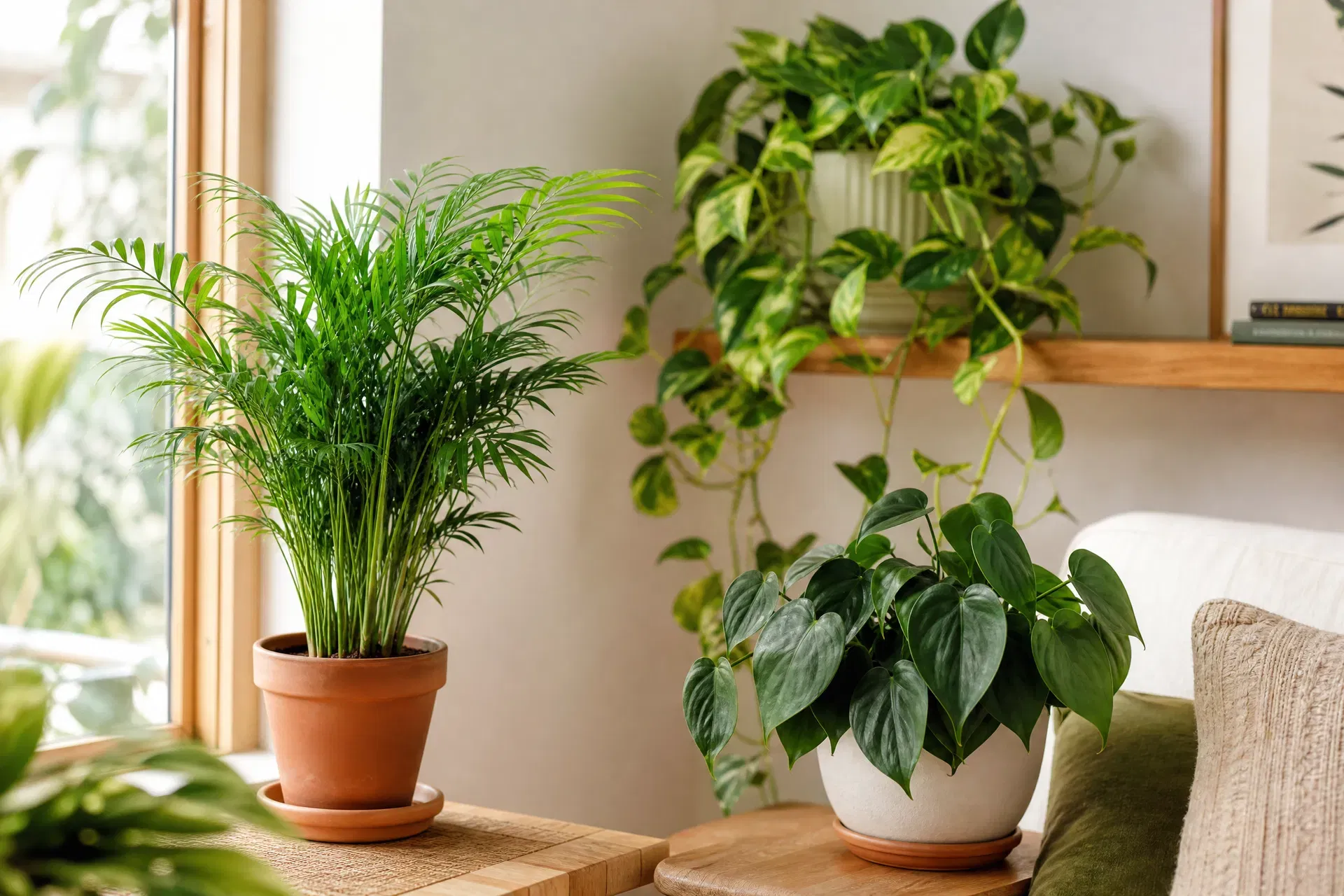
How to fix it: Keep checking the soil as the seasons change, and adjust how often you check, not just how often you water. A plant near a sunny window may need closer attention as light increases, while a plant in a cooler, dimmer spot may stay moist for longer. The University of Minnesota Extension’s spring houseplant care tips offer more seasonal guidance.
A simple watering routine to follow
Use this quick process when you’re unsure:
- Check the plant’s needs. Find out whether it likes soil that dries between waterings or stays more evenly moist.
- Feel the soil. Check below the surface rather than judging by appearance alone.
- Water when it’s ready. Pour slowly over the soil, aiming to moisten the root ball.
- Let it drain. Empty the saucer or cover pot once excess water has drained.
- Adjust as conditions change. Recheck more often when light, temperature, or growth changes.
There isn’t one perfect answer to how often to water plants. The best routine comes from checking each pot and responding to what you find.
If you still have questions, visit Botanical Wiz and select Ask Wiz to explore watering concerns using the website’s published care guidance. You can also try the plant identification tool without signing up. See the current Free and Pro plans for scan allowances and features. Start with one plant, check its soil, and take it from there.
Sources
Comments
0 comments
Sign in to join the conversation and share your plant knowledge.
Related Posts
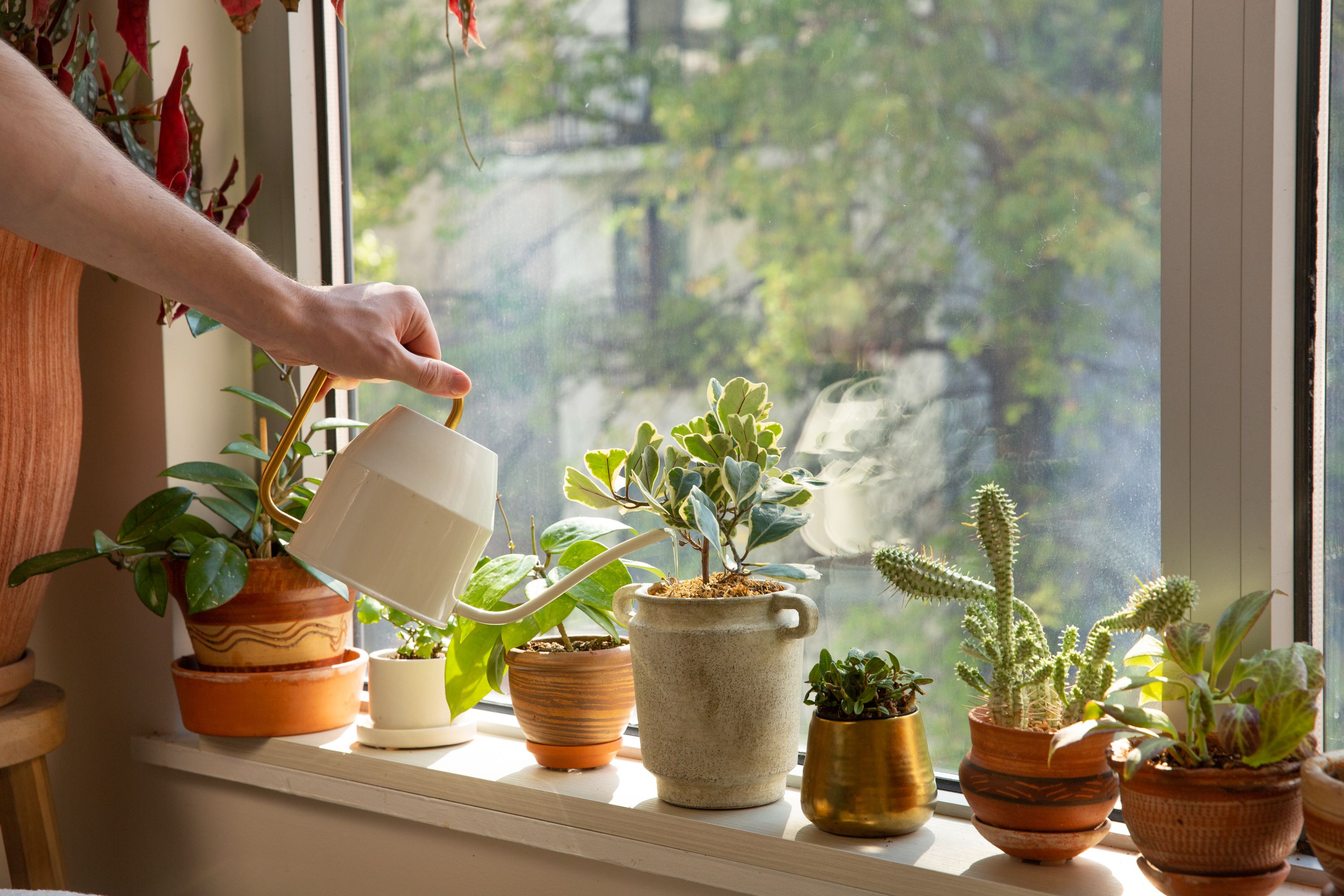
The Ultimate Guide to Watering Your Houseplants
Overwatering is the number one killer of houseplants. Learn the signs, schedules, and techniques to keep your plants perfectly hydrated.
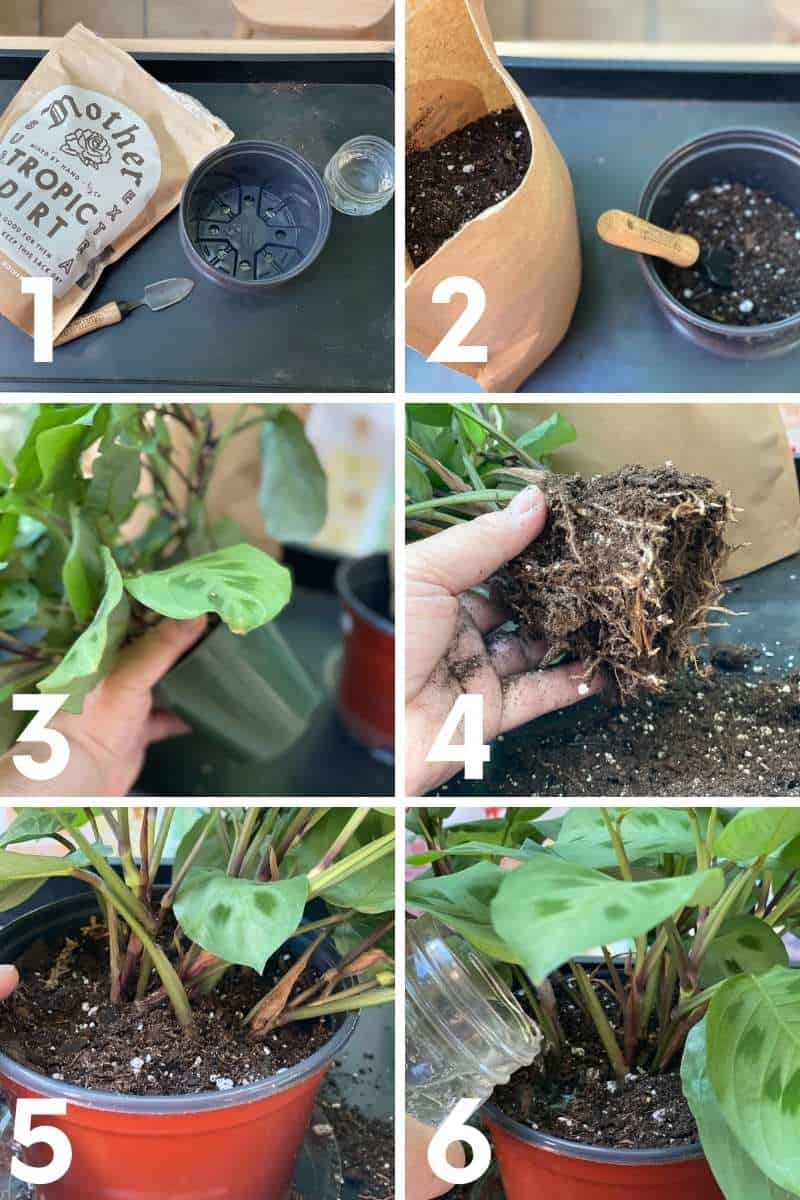
How to Repot a Plant Without Stressing It Out
Repotting is one of the most important things you can do for a houseplant's long-term health — but done carelessly, it can set a plant back for months. Here's how to do it right.
Golden Pothos Care Guide: The Ultimate Beginner-Friendly Houseplant
Everything you need to know about growing and caring for Golden Pothos (Epipremnum aureum) — the most forgiving, beautiful, and versatile houseplant you can own.